Once upon a time…
…there was a boy in Bangalore and a girl in Holland — born a world apart, both born musicians. This is the story of how their two roads became one music, one family, one movement. Meet the musicians, the family, and the team who carry Sangeet4All — and read to the end, because this story has room for you.
The boy who left home for music
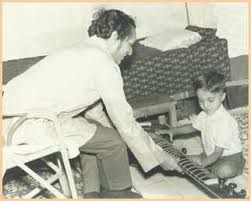
In Bangalore there lived a boy who heard music the way other children heard their mother’s voice. At seventeen, he did something that today sounds almost like legend: he left his family home and moved into the household of his Guru — Bharat Ratna Pandit Ravi Shankar — to live, learn, and serve at the feet of the master, in the Guru Shishya Parampara, the way India’s music has been carried from hand to hand for centuries.
The boy became Pandit Shubhendra Rao: one of India’s foremost sitarists, carrying the Maihar Gharana onto the stages of Carnegie Hall, the Kennedy Center, and the Sydney Opera House — and the first Indian to compose for Broadway. A thinking musician, the critics wrote, forever carrying his instrument beyond its boundaries. India gave him the first Atal Behari Vajpayee National Award for Arts and Culture.
The girl who crossed the world
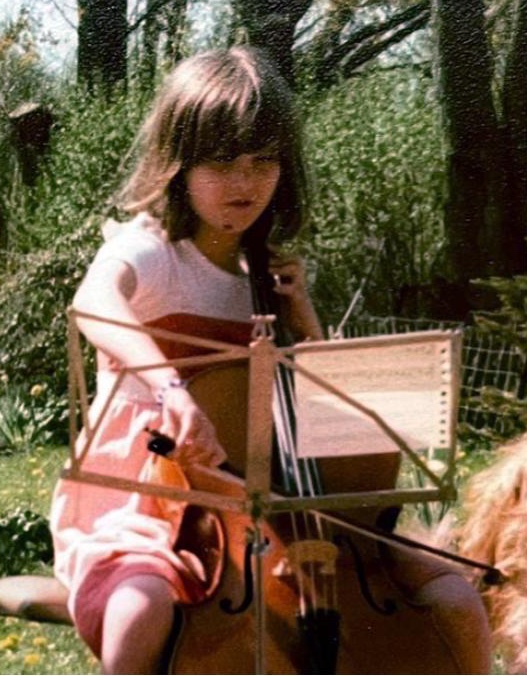
In Holland there lived a girl with a cello — already on her way to the world’s concert halls — who one day heard Indian classical music and could never unhear it. She crossed the world for it, and was accepted as a disciple by Pandit Hariprasad Chaurasia. But she did not simply join the tradition. She widened it: creating an entirely new instrument, the Indian cello — described as closest to the human voice, with the range of a complete orchestra.
The girl became Vidushi Saskia Rao-de Haas: world-renowned cellist, published composer, educator, and author of eleven books — the first non-Indian female soloist at the legendary Dover Lane Music Conference, recipient of the Pandit Jasraj Award and the India Today–Mahindra Drivers of Change honour. And in April 2025, her homeland reached back across the world: King Willem-Alexander appointed her Knight of the Order of Orange-Nassau.
East married West
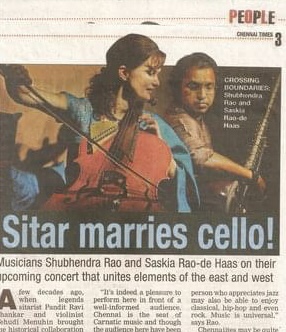
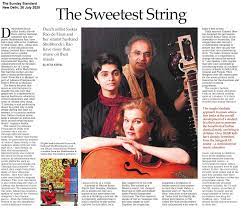
The two roads met, as the best stories insist they must. The sitarist and the cellist married — two traditions under one roof, and a household in Delhi where music was the mother tongue. On stage, the world took notice: a duo hailed as taking Indian music into a brave new era.
Together they performed at the United Nations in Geneva on Human Rights Day, and at the Theatro Municipal do Rio de Janeiro with the Orquestra Sinfônica Brasileira. They composed music for world leaders — from Chancellor Angela Merkel to Prime Minister Narendra Modi. The New York Times called their music together “movingly meditative.”
The child who proved everything
Into this house of music, a child was born. Before he was two years old — at twenty-three months — Ishaan could recognise twenty ragas, before most children know their colours. It was the family’s whole philosophy, alive in one small boy: begin young, give it whole, and music becomes a first language.
Ishaan Leonard Rao grew as the lineage’s newest voice: ABRSM Grade 8 at nine, the SONY Music Global Scholarship, and Berklee College of Music, cum laude — named among the country’s most accomplished young artists. And then the story did something wonderful: the son joined his parents on stage, and the duo became the famous Rao Trio — three musicians, one family, performing everywhere.
How the giving began
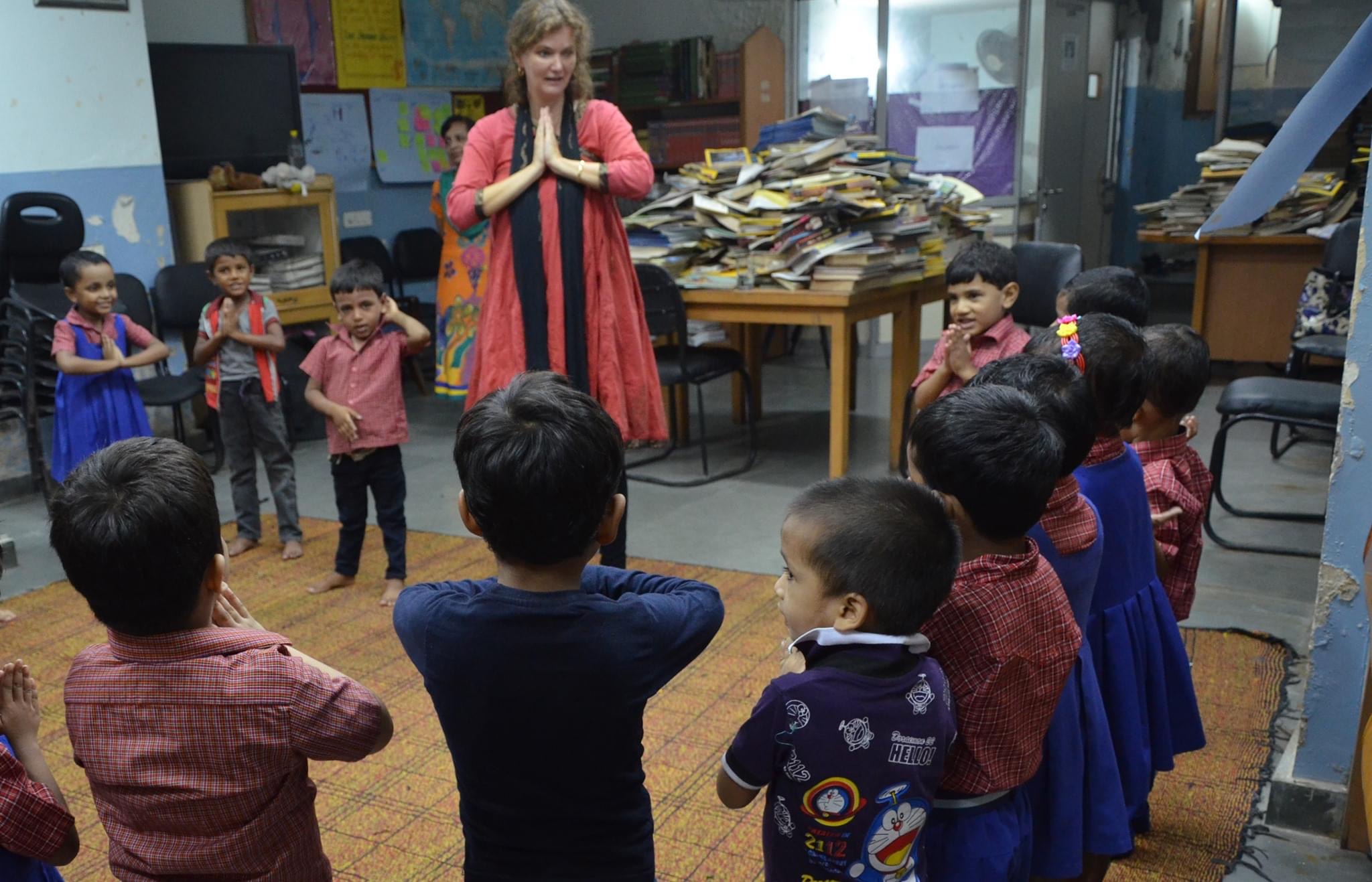
After every concert, in every city, came the same question — from parents, from principals, from strangers still holding their programmes: how do our children learn this? And the honest answer, for too long, was: nowhere. So in 2014, the family decided the answer would be them.
It began in the lanes of Nizamuddin Basti, where young voices discovered that ragas are the great leveller — and on a stage where SaRe Gayein was launched together with folk musicians from Odisha: two beginnings, one conviction. The Shubhendra and Saskia Rao Foundation was born to carry it, and Sangeet4All — a complete curriculum, so that no child would ever again need to be lucky to learn music.
The music that never stopped
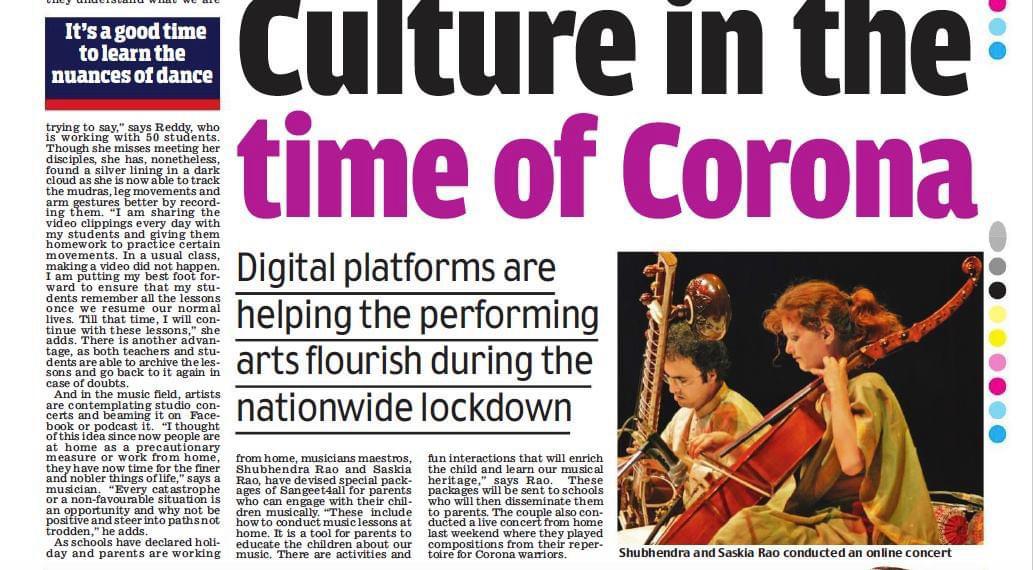
Then came the year the world went quiet. Schools closed, stages went dark, children were locked away from their friends and their classrooms. But this family had spent a lifetime learning that music is not a place — and so Sangeet4All went online, and became a lifeline. Music became a support system: something to hold on to when everything else was cancelled.
The schools that carried the online programme watched their children create magic — composing, performing, and belonging, through a screen if they had to.
The family grows
And then the family did what families do: it grew. First came the team — educators and organisers who chose to carry the mission as their own. Then came the teachers, trained and certified, each one a new branch of the gharana. Then their students — one hundred thousand children and counting — and their parents, and their schools. In our tradition, everyone who enters the house of music becomes part of the household. This is that household now.
Dr Radha Tyagi
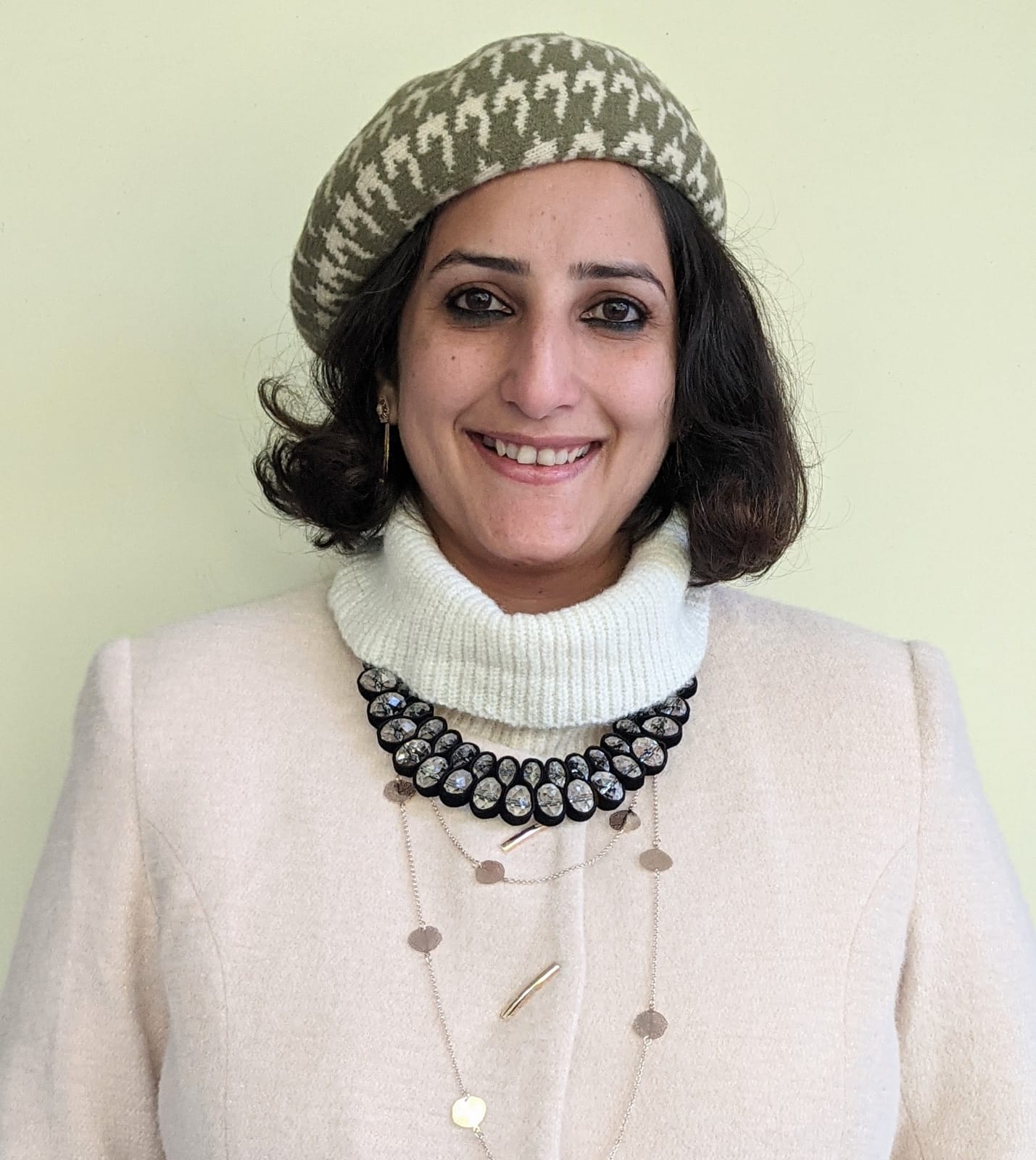
A PhD in Hindustani classical music from Delhi University, and seven years beside Saskia Rao-de Haas — shaping both the online and offline models of the programme as it grew across the NCR. She leads the teacher-training workshops that certify Sangeet4All educators, and carried the programme to tribal schools in Odisha through SaRe Gayein with the Tata Steel Foundation.
Chandrika Raj
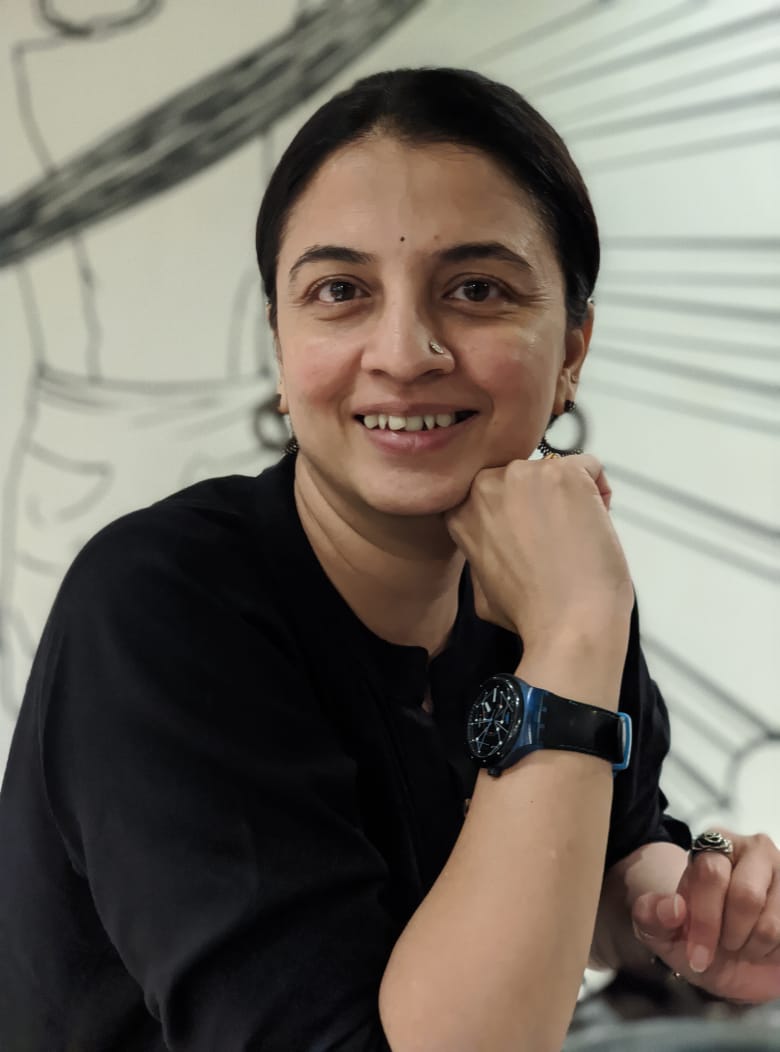
The first voice a new school hears — guiding every partnership from first conversation to full onboarding.
“Eight years with Sangeet4All have been a journey of continuous learning. I cherished every school visit — watching children discover music. It has been a privilege to be part of this journey.”
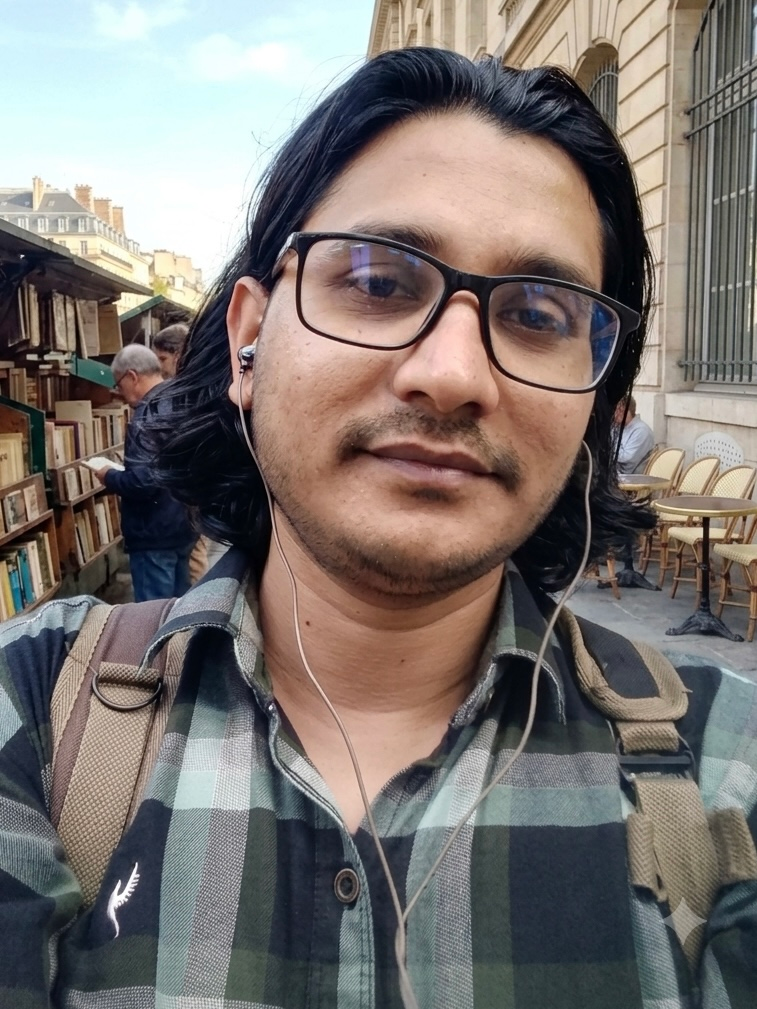
Amit
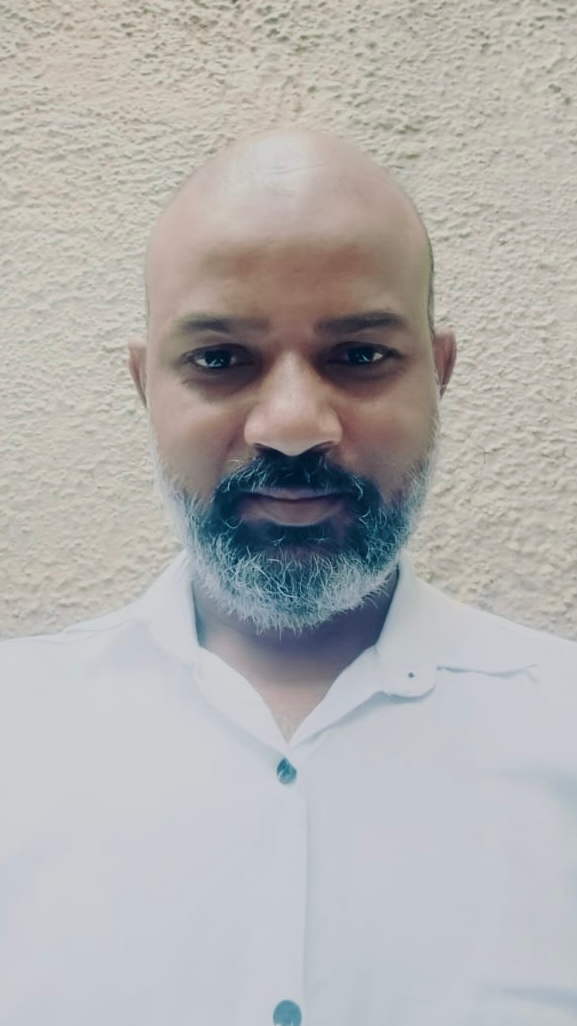
Rajbeer
Behind every classroom visit and every school partnership are people. Amit is our accountant and Rajbeer is our office assistant. Both of them make the music possible every day.
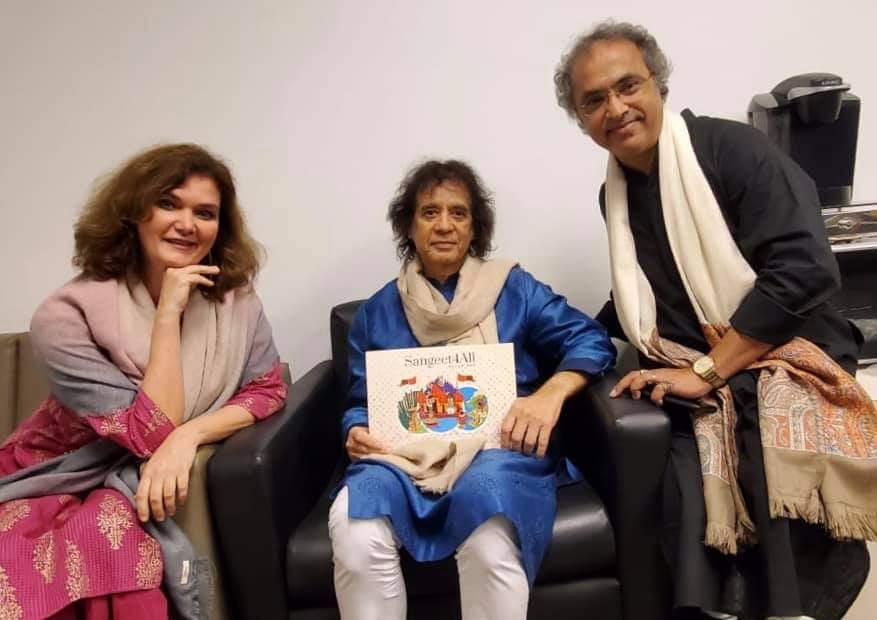
And the elders blessed this house. The late Ustad Zakir Hussain with the Sangeet4All books. Some blessings a family keeps forever.
The people who shaped this
Every gharana has its wise men and women — the voices whose knowledge keeps the tradition true. Sangeet4All was built with the guidance of musicians, educators, and friends who believed in it before there was anything to see.
We are preparing their introductions properly — they deserve more than a list. Coming soon.
Our centres
Radha Arts
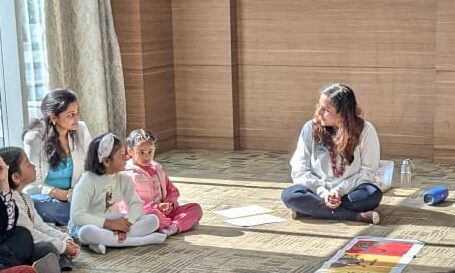
A curriculum is paper until a teacher breathes life into it. Dr. Radha Tyagi has spent seven years inside the making of Sangeet4All — and at Radha Arts, her own centre in Gurgaon, she teaches the programme in a way that is entirely her own.
She holds a PhD in Hindustani classical music from Delhi University, and she is the person who trains our educators: she teaches workshops that certify Sangeet4All teachers across the NCR. She is an expert at engaging children, even in online classes. Very few artists hold both the classical depth and the teaching craft in the same pair of hands. In Gurgaon, children learn from Dr Radha Tyagi directly, in small batches, in a homely environment.
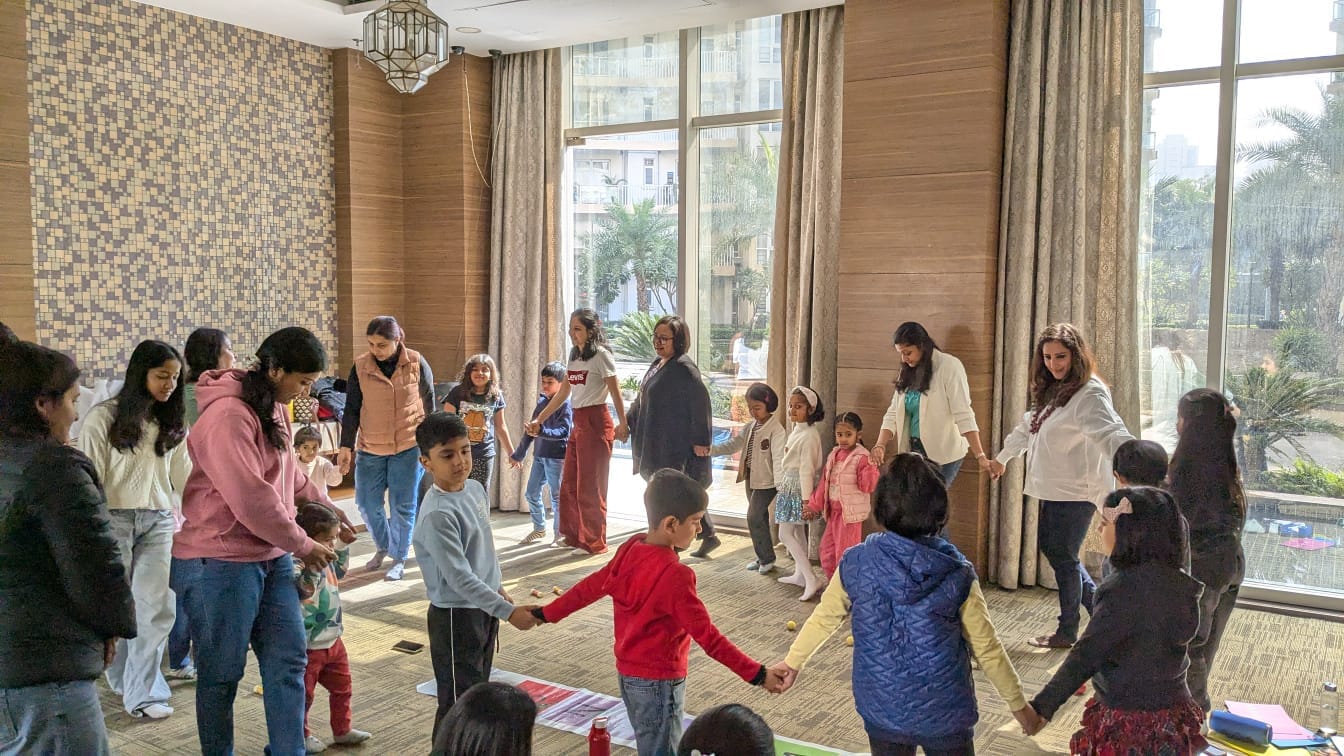
Ahmedabad
Our work in Gujarat runs from Ahmedabad, through Pt Sapan Anjaria — the well-known tabla player and composer, who has carried the programme into schools across the state, among them Anand Niketan School.
The next chapter is yours
This story has no last page. Every school that joins writes itself into it — new teachers into the family, new children into the music. Write your school into the story.
“Music is the birthright of every child.”